

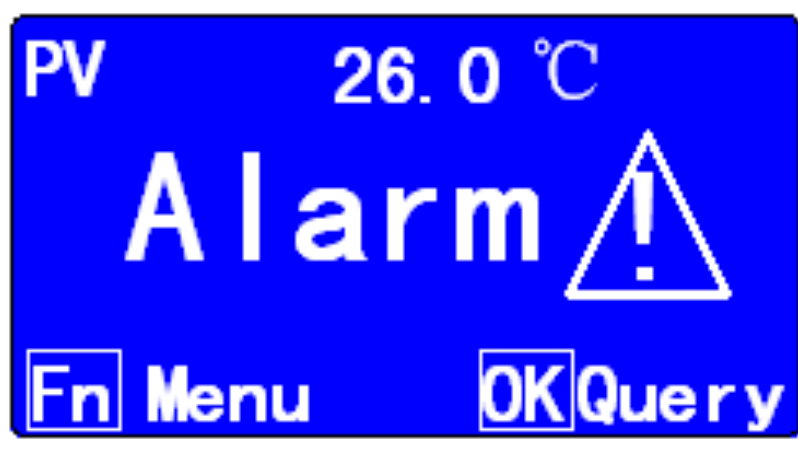
An industrial chiller is the beating heart of many manufacturing and production facilities. Because it operates continuously under varying loads and environmental conditions, ensuring its safety and longevity is paramount.
At SENHO, we engineer our industrial chillers with a comprehensive, multi-layered suite of protection devices. These safety mechanisms are designed to monitor the system in real-time, instantly detect anomalies, and prevent minor issues from escalating into costly equipment damage or production downtime.
Here is a detailed breakdown of the 8 core protection systems built into a SENHO chiller:
1. Motor Overload Protection
Protects: Compressor motors, water pump motors, and fan motors. Motors are subjected to heavy continuous workloads. Various external and internal factors—such as unstable grid voltage, excessively high ambient temperatures (often due to poor ventilation), or abnormally high return water temperatures—can cause the motor’s running current to spike beyond its safe operational range.
- How it works: If the current exceeds the safe threshold, the built-in thermal overload relays will immediately shut down the affected component and trigger an alarm. This prevents the motor windings from melting or burning out.
2. Compressor Motor Overheat Protection
Protects: The compressor (the core component of the chiller). If the compressor fails, the entire cooling system halts. Overheating is typically caused by severe operating conditions, such as a heavily dusted condenser, poor ambient air circulation, blocked refrigerant circuits, or a lack of refrigerant.
- How it works: Internal temperature sensors monitor the compressor’s thermal state. If the temperature approaches critical levels, the system cuts power and alerts the operator, preventing catastrophic internal mechanical failure.
3. High Discharge Temperature Protection
Protects: Compressor valves and lubricating oil. This serves as a supplementary safeguard to the compressor overheat protection. An excessively high discharge temperature is usually the result of a high suction temperature, inadequate compressor cooling, or a shortage of refrigerant gas returning to cool the motor.
- How it works: By monitoring the temperature of the refrigerant gas exiting the compressor, this device stops the system before the compressor oil carbonizes or the internal valves warp from extreme heat.
4. High & Low Pressure Protection
Protects: The entire refrigeration cycle. A healthy chiller relies on stable refrigerant pressures.
- High-Pressure Triggers: Poor ventilation, a severely dirty condenser, or a failing cooling fan can prevent heat from dissipating, causing system pressure to skyrocket.
- Low-Pressure Triggers: A refrigerant leak, a faulty expansion valve, or a blocked filter drier will cause suction pressure to plummet.
- How it works: High and low-pressure switches continuously monitor the lines. If pressures deviate from the safe operational envelope, the switches break the electrical circuit, shutting down the compressor to prevent blowouts or freezing.
5. High Return Water Temperature Alarm
Protects: The user’s production process and machinery. Under normal conditions, the return water coming back to the chiller is about 3°C to 8°C warmer than the chilled water supplied. If this temperature difference grows too large, it indicates that the heat load is exceeding the chiller’s capacity, or the chiller has stopped generating cooling energy.
- How it works: Before the elevated temperatures can ruin a production batch or overheat your critical manufacturing equipment, the chiller detects the abnormal return temperature and issues a prominent warning, allowing operators to react promptly.
6. Low Water Flow / Water Level Protection
Protects: Evaporators and water pumps. For chillers operating without an open-circuit water tank, maintaining consistent water flow is critical. Blocked pipes, closed valves, or system leaks can drastically reduce water flow.
- How it works: Flow switches or level sensors ensure that the water circuit is actively moving. If flow drops below a safe minimum, the chiller halts operation. This prevents the pump from running dry (which destroys pump seals) and prevents the stagnant water inside the evaporator from freezing and cracking the heat exchanger.
7. Phase Sequence & Phase Loss Protection
Protects: All 3-phase motors. During initial installation or after factory electrical maintenance, power phases can sometimes be incorrectly wired (phase reversal) or a single phase might drop out completely (phase loss). If a 3-phase scroll or screw compressor runs in reverse, it can be destroyed in a matter of seconds.
- How it works: The phase protection relay monitors the incoming power supply. If it detects incorrect wiring or a missing phase, it completely locks out the chiller’s control panel, refusing to start the motors until the electrical connection is corrected.
8. Anti-Freezing Protection
Protects: The evaporator and internal plumbing. If the temperature of the chilled water drops too close to its freezing point (especially in applications requiring very low temperatures without adequate antifreeze/glycol), ice can form inside the evaporator. Because water expands when it freezes, it can easily rupture internal copper tubes.
- How it works: Temperature sensors monitor the chilled water output. If the temperature dips to a dangerous threshold, the controller shuts down the compressor while keeping the water pump running to circulate the fluid, effectively preventing ice formation.
Summary: Investing in a SENHO industrial chiller means investing in peace of mind. By integrating these 8 robust protection devices into our intelligent control systems, we ensure that your cooling equipment remains durable, your production stays online, and your facility operates safely under all conditions.